Job Opportunities for People with Disabilities: How Workability Is Transforming Inclusive Employment
Job Opportunities for People with Disabilities have become a global concern, but a crucial question remains: are modern employment systems truly inclusive, or are they simply reshaping old barriers in digital form? Despite growing awareness around diversity and accessibility, many individuals with disabilities continue to face challenges such as limited access, workplace bias, and a lack of tailored support. Why does this gap persist, and what practical solutions can actually change the employment landscape?
In recent years, Job Opportunities for People with Disabilities have expanded through remote work models, flexible schedules, and skill-based hiring platforms. Yet, another critical question emerges: do these opportunities genuinely empower individuals, or do they merely offer surface-level inclusion? Understanding how employment platforms function and whether they address real-world needs is essential for building long-term, sustainable careers for people with disabilities.
This is where Job Opportunities for People with Disabilities intersect with innovative employment ecosystems like Workability. By focusing on accessibility, adaptability, and support-driven employment, Workability presents a new vision of inclusive work. But how does it work in practice, and can it truly reshape employment for people with disabilities? This article delves into these questions in depth, providing insights into inclusive hiring, remote work, and supportive employment structures.


Job Opportunities for People with Disabilities: Understanding Workability and Inclusive Employment
What Is Workability?
Workability is an employment-focused platform designed to create accessible and inclusive work environments for people with disabilities. Unlike traditional job markets that often prioritize rigid requirements, Workability emphasizes skills-based employment, flexibility, and personalized support. Its goal is to remove structural and social barriers that prevent people with disabilities from fully participating in the workforce.
At its core, Workability recognizes that disability does not define capability. Instead, it promotes ability-centered hiring, where employers focus on what individuals can do rather than what they cannot. This shift in mindset plays a critical role in reshaping employment opportunities globally.
Why Inclusive Employment Matters
Inclusive employment is not just a social responsibility—it is an economic and organizational advantage. Studies consistently show that inclusive workplaces benefit from:
Higher employee retention
Increased innovation and creativity
Stronger workplace culture
Improved brand reputation
For people with disabilities, inclusive employment provides more than income. It offers independence, dignity, and long-term career growth. Platforms like Workability aim to bridge the gap between talent and opportunity by addressing accessibility challenges at every stage of employment.
Employment Barriers Faced by People with Disabilities
Physical and Digital Accessibility Challenges
Many people with disabilities face barriers before they even apply for a job. These challenges include inaccessible application systems, poorly designed digital interfaces, and a lack of assistive technology compatibility. Without accessible systems, qualified candidates are often excluded before their skills are considered.
Workability addresses these issues by supporting accessible digital platforms, ensuring that job listings, applications, and communication tools are usable for individuals with diverse needs.
Workplace Bias and Misconceptions
Another significant barrier is employer bias. Misconceptions about productivity, cost of accommodations, or communication challenges often prevent people with disabilities from being hired. These assumptions are frequently based on myths rather than facts.
By promoting inclusive hiring practices and employer education, Workability helps shift attitudes toward a more realistic and respectful understanding of disability in the workplace.
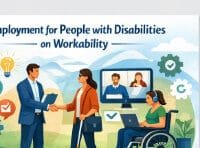
Employment for People with Disabilities on Workability
Skill-Based Job Matching
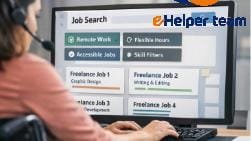
One of the strongest features of Workability is its focus on matching individuals to jobs based on skills, experience, and preferences rather than limitations. This model supports fair hiring and allows candidates to showcase their strengths.
Key benefits of this approach include:
Reduced discrimination during hiring
Better job satisfaction
Improved performance and retention
Skill-based matching ensures that individuals are placed in roles where they can succeed and grow.
Flexible Employment Models
Workability supports various employment models, including part-time roles, project-based work, and flexible schedules. These options are especially valuable for people with disabilities who may require adaptable working hours or conditions.
Flexibility empowers individuals to manage their health needs while maintaining professional productivity, contributing to long-term career sustainability.
Remote Work Opportunities for People with Disabilities
The Rise of Remote Employment
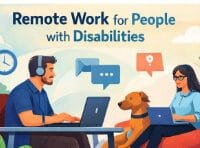
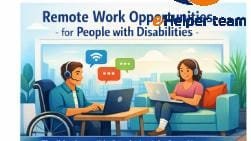
Remote work has transformed the employment landscape, offering new possibilities for people with disabilities. By eliminating commuting challenges and providing customizable work environments, remote work significantly increases accessibility.
Workability integrates remote roles across multiple industries, enabling individuals to work from environments that best suit their physical, sensory, or cognitive needs.
Benefits of Remote Work for Accessibility
Remote employment offers several advantages, including:
Reduced physical strain
Customized assistive technology setups
Improved work-life balance
Increased autonomy and confidence
These benefits make remote work a cornerstone of inclusive employment strategies and a key focus area within Workability’s ecosystem.
Support Services on Workability
Personalized Employment Support
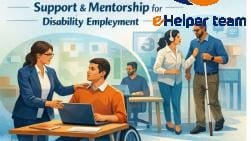
Support services are a defining element of Workability. These services go beyond job placement and include career guidance, onboarding assistance, and workplace adaptation support.
Personalized support helps individuals navigate employment challenges and build confidence in professional settings. It also ensures that employers receive guidance on fostering inclusive workplaces.
Ongoing Career Development
Workability emphasizes long-term success rather than short-term placement. Through continuous skill development and career planning, individuals are encouraged to grow professionally and explore new opportunities over time.
This focus on career sustainability distinguishes Workability from traditional job platforms and reinforces its commitment to inclusive employment.
The Role of Employers in Inclusive Hiring
Creating Disability-Inclusive Workplaces
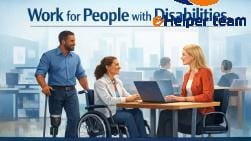
Employers play a critical role in inclusive employment. Workability encourages organizations to adopt inclusive policies, accessible tools, and open communication practices.
Key employer responsibilities include:
Providing reasonable accommodations
Encouraging inclusive team culture
Offering clear role expectations
Supporting employee well-being
When employers actively participate in inclusion, the entire workforce benefits.
Business Benefits of Hiring People with Disabilities
Job Opportunities for People with Disabilities, Hiring people with disabilities is not just ethical—it is strategic. Inclusive teams are proven to be more adaptable, innovative, and resilient. Employers working with Workability often report improved morale and stronger team collaboration.
Real-World Impact of Inclusive Employment Through Workability
A Practical Case Study
To understand how inclusive employment works in real life, consider a professional with a physical disability who struggled for years to find stable work due to inaccessible offices and rigid schedules. Through Workability, this individual was matched with a remote, skill-based role that aligned with their expertise and personal needs.
With flexible hours and a supportive onboarding process, productivity increased while stress decreased. Over time, the individual advanced professionally, gained confidence, and became an integral part of their team. This example reflects how inclusive job platforms, combined with proper support, can transform lives and careers.
Such outcomes demonstrate that disability-inclusive employment is not theoretical—it is practical, measurable, and sustainable when the right systems are in place.
Comparing Traditional Employment and Workability-Based Employment
Key Differences That Matter
| Aspect | Traditional Employment | Workability Employment |
|---|---|---|
| Hiring Focus | Job titles and rigid requirements | Skills-based hiring |
| Accessibility | Limited or inconsistent | Accessibility-first design |
| Work Flexibility | Fixed schedules | Flexible work models |
| Support Services | Minimal or none | Personalized employment support |
| Career Growth | Often restricted | Long-term career development |
This comparison highlights why Workability offers a more inclusive and effective employment model for people with disabilities.
How Technology Enhances Workability
- Assistive and Adaptive Tools
Technology plays a vital role in enabling inclusive work environments. Workability supports the use of assistive technologies, adaptive software, and accessibility-friendly tools that allow individuals to perform tasks efficiently.
These technologies reduce dependency, increase autonomy, and promote equal participation in professional settings.
- Digital Accessibility as a Standard
Rather than treating accessibility as an add-on, Workability integrates it into every stage of the employment process. From job discovery to daily work activities, digital accessibility ensures that individuals are not excluded due to system design.
This approach aligns with modern standards for inclusive digital workplaces and supports equal employment opportunities.
Empowering Independence and Economic Inclusion
Financial Stability Through Employment
Employment provides more than income—it offers independence and security. For people with disabilities, access to stable work reduces reliance on external assistance and supports long-term financial well-being.
Workability enables economic inclusion by connecting individuals with meaningful roles that match their abilities and aspirations.
Building Confidence and Professional Identity
Inclusive employment strengthens self-esteem and professional identity. When individuals feel valued for their skills, motivation and engagement naturally increase.
Workability fosters empowered workforce participation, helping people with disabilities see themselves as contributors, leaders, and professionals.
The Future of Employment for People with Disabilities
Shifting Toward Inclusive Labor Markets
The future of work is inclusive by necessity. As labor markets evolve, employers must adapt to diverse talent pools and flexible employment structures.
Workability represents a forward-thinking approach that aligns with global trends in diversity, equity, and inclusion.
Scaling Inclusive Employment Models
Scalability is key to lasting impact. By expanding access to remote work, flexible roles, and employer education, Workability has the potential to influence employment systems beyond individual placements.
This scalable model ensures that inclusive employment is not limited to niche markets but becomes a mainstream standard.
Call to Action: Take the Next Step Toward Inclusion
Job Opportunities for People with Disabilities, Inclusive employment benefits everyone—individuals, organizations, and society as a whole. Whether you are a job seeker exploring new opportunities or an employer seeking diverse talent, embracing inclusive employment models is a step toward sustainable growth.
Now is the time to explore accessible job opportunities, adopt inclusive hiring practices, and support platforms that prioritize ability over limitation.

Frequently Asked Questions (FAQs)
1. How does Workability support people with disabilities in finding jobs?
Workability focuses on skills-based matching, flexible employment models, and personalized support services to ensure fair and accessible job opportunities.
2. Are remote jobs suitable for people with disabilities?
Yes, remote jobs reduce physical barriers, allow customized work environments, and offer greater flexibility for managing health and accessibility needs.
3. What types of support services are available on Workability?
Support services include career guidance, onboarding assistance, accessibility support, and ongoing career development resources.
4. Can employers benefit from hiring people with disabilities?
Absolutely. Inclusive teams are more innovative, loyal, and productive, contributing positively to workplace culture and business performance.
5. Is inclusive employment a long-term solution?
Yes, when combined with accessibility, flexibility, and support, inclusive employment creates sustainable career pathways for people with disabilities.
Conclusion
Workability demonstrates that inclusive employment is not just possible—it is effective. By addressing accessibility, flexibility, and support, it creates meaningful Job Opportunities for People with Disabilities and empowers individuals to thrive professionally.
As employment systems continue to evolve, inclusive platforms like Workability set a powerful example of how work can be redesigned to serve everyone fairly and effectively.